
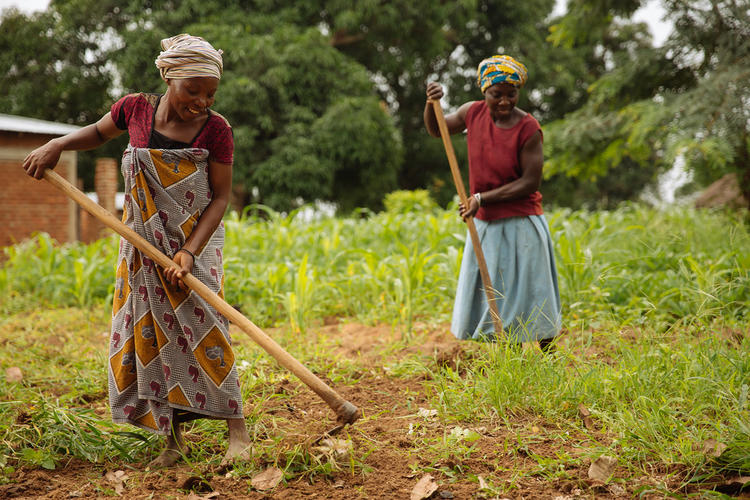
Women-led cooperatives represent a critical yet underutilized mechanism for financial inclusion and economic empowerment in developing economies. Despite cooperatives’ demonstrated capacity to facilitate credit access and improve member outcomes, women remain significantly underrepresented in cooperative leadership and face persistent barriers to financing. The global credit gap for women-owned businesses stands at an estimated $15 trillion, while emerging economies face annual shortfalls of $420 billion in gender-focused investments. This report examines the landscape of women-led cooperatives, identifies specific barriers to financing access, and synthesizes evidence-based solutions that can bridge the financing gap while advancing gender equality in cooperative sectors worldwide.
Market Scale and Participation Patterns
Women’s participation in cooperatives globally reflects both significant progress and persistent disparities. While women constitute over 50 percent of cooperative membership in many regions, their representation in leadership positions remains critically low. In Ethiopia, only 18 percent of cooperative members are women, while in Uganda, women hold just 13 percent of chairperson positions and 12 percent of management roles. Agricultural cooperatives present the most pronounced gaps, with women representing only 3 percent of board members in United States agricultural cooperatives—the lowest across all cooperative sectors.
Regional variations are notable. In Tanzania, targeted interventions within agricultural cooperatives increased women’s membership from 8 percent to 24 percent within a single cooperative, demonstrating that systemic barriers rather than lack of interest constrain participation. In Africa more broadly, women own 40 percent of small and medium enterprises yet only 20 percent maintain access to traditional funding, creating a financing gap exceeding $40 billion. Latin America has achieved greater progress on financial inclusion, with women at advanced levels rising from 11 percent in 2021 to 24 percent in 2024—though significant gaps persist, particularly in rural areas and among older women.
The scale of cooperative movements in developing countries underscores this opportunity. As of 2026, India has registered 850,000 cooperatives with 660,000 functional units serving 320 million members across 30 sectors, with 100 million women linked through self-help groups. Yet even with this infrastructure, the transition of women from borrowers to enterprise owners and leaders remains slow.
The Financing Gap: Scope and Manifestations
The financing barriers women face through cooperatives reflect both gender-specific constraints and structural limitations within cooperative systems themselves. The global credit gap for women-owned businesses reaches $15 trillion, with women entrepreneurs in 2025 31 percent less likely to succeed in funding applications than male counterparts. Female-led businesses receive 30 percent less funding on average, and women receive only 2.3 percent of venture capital globally compared to their male peers.
Access disparities within cooperative finance are equally severe. In Nepal, 88 percent of women-led enterprises rely on personal savings because formal finance remains inaccessible; only 56 percent have successfully accessed formal financing despite possessing viable business models. In Latin America, while women’s financial inclusion has improved, the gender gap in loan access remains substantial—women entrepreneurs face barriers rooted in limited credit history, asset ownership constraints, and institutional bias in credit evaluation.
The manifestation of this gap extends beyond simple denial of credit. When women do secure formal loans, they face higher interest rates than men despite research demonstrating that women are lower-risk borrowers. Indian microfinance institutions charge women 18–26 percent annual interest rates, with some government schemes imposing rates as high as 24 percent. Women also encounter stricter collateral requirements, longer application processes, and smaller maximum loan amounts than male entrepreneurs.
For women within cooperatives specifically, the barriers include inadequate financing mechanisms ranked at 4.87 on a severity scale, inadequate market information (4.58), and maladministration (4.65). These structural deficiencies interact with gender-specific challenges: women’s heavier domestic workload (limiting time for meetings and training), persistent cultural norms questioning women’s leadership capacity, and low educational attainment among rural women collectively impede their ability to access cooperative credit.
Collateral and Asset Ownership: Core Structural Barriers
The collateral requirement represents the most widely cited obstacle to women’s credit access. Traditional financial institutions emphasize fixed asset ownership—land, equipment, property—as loan security. Women face substantial barriers in acquiring such assets due to legal frameworks limiting inheritance rights, discriminatory property laws, and cultural norms privileging male land ownership. In Kenya, 60 percent of women denied credit cited lack of collateral as the explicit reason for rejection.
This barrier proves particularly acute within cooperative lending frameworks. Rural cooperatives in Kenya demonstrated that transparent financial operations increase female farmers’ probability of accessing credit by 74 percent, yet even with transparency, women’s limited asset ownership constrains loan amounts and terms. Women typically control movable assets (livestock, inventory, agricultural products) rather than immovable property, and until recently, few lenders recognized movable assets as collateral.
Evidence on asset-based collateral solutions demonstrates substantial promise. A Kenya dairy cooperative offering asset-based collateral in the form of water tanks increased women’s loan take-up from 2.9 percent to 41.9 percent. Pakistan’s microfinance innovation enabling women to finance business assets worth four times their previous borrowing limit (up to $1,900) yielded 8 percent increases in monthly income and improved business asset growth. Ghana’s implementation of a secured transactions registry for movable assets reached $35 billion in registered financing by December 2017, with 73 percent going to small and medium enterprises.
Despite these successes, scaling alternative collateral remains limited. Development finance institutions increasingly utilize movable collateral systems, but deployment with gender-specific targeting remains nascent. Most financial institutions cite valuation challenges, limited standards for assessing movable asset worth, and monitoring costs as obstacles to expansion.
Gender-Specific Financing Solutions: Cooperative Models and Instruments
A growing array of specialized financing instruments demonstrates that tailored products can effectively serve women-led cooperatives. The African Enterprise Challenge Fund (AECF) operates a dedicated program providing $75,000–$300,000 Canadian dollar grants to women-led and women-managed cooperatives in sub-Saharan Africa, mandating 100 percent female management and dominant female membership. This model combines grant capital with capacity building and technical assistance, recognizing that women cooperatives require more than credit access.
India’s institutional framework provides instructive models. The Nandini Sahakar scheme targets cooperatives with minimum 50 percent women members and provides credit linkage for infrastructure and working capital, supplemented by subsidies or interest subvention from government agencies. The National Cooperative Development Corporation (NCDC) has cumulatively disbursed Rs 5,714.81 crore (approximately $685 million USD) specifically for women-led cooperative development as of March 2023. India’s 2026 Budget introduces “SHE-Marts”—structured retail platforms for women self-help group enterprises—representing evolution from micro-credit toward enterprise ownership models.
Brazil’s National Cooperative Credit System (SNCC) integrates digital village savings and loan associations alongside traditional cooperative banking, providing a hybrid model that combines community trust mechanisms with formal institutional oversight. The model accommodates women’s constraints by enabling smaller transactions, flexible repayment schedules, and assessment methods incorporating psychometric evaluation alongside traditional credit scoring.
Latin American initiatives demonstrate market-responsive product design. Root Capital’s Women in Agriculture Initiative increased women-led and gender-inclusive enterprises from 31 percent to 58 percent of their portfolio through deliberate pipeline development, custom financial products (including grant-based funding), specialized advisory services, and practical support addressing household constraints. Their research across nine value chains in 15 countries revealed that when targeted with intentional strategies, viable women-led opportunities exist in abundance.
Digital Financial Services and Payment Systems
Digital financial inclusion emerges as a transformative mechanism for expanding women’s cooperative financing. Mobile money adoption demonstrates measurable empowerment effects. A randomized controlled trial in Tanzania switching microfinance group loan repayments from cash to mobile money resulted in 0.33 standard deviation increases in broader mobile money adoption by women, expanding their financial independence and household decision-making authority. Women account ownership of digital payment platforms varies substantially by region: in developed Latin American markets like Colombia and Argentina, gender gaps in mobile wallet ownership are minimal, while in Bolivia, Mexico, and Peru, significant gaps persist.
India’s cooperative sector has embraced digital repayment solutions, with partnerships between microfinance institutions and fintech platforms enabling online loan applications with bank-linked approvals, reducing paperwork and processing delays. The initiative targets rural women for whom digital payment systems serve as gateway entry to formal financial participation. Fifty-five and a half percent of Indian bank accounts are held by women, yet adoption of digital financial services remains constrained by limited digital literacy, access to devices, and network coverage in rural areas.
Gender-inclusive finance mapping across 31 countries by the Alliance for Financial Inclusion identifies digital ID systems as foundational. Universal digital identification enables women to open accounts, access social protection, and establish formal credit history—prerequisites for accessing larger capital amounts. The roadmap recommends policy mandates requiring sex-disaggregated tracking in digital payment systems, regulatory reform to reduce account opening barriers, and targeted investment in gender-intentional digital infrastructure.
Women’s Cooperative Performance: Repayment Capacity and Economic Impact
Evidence consistently demonstrates that women constitute superior cooperative members from a financial institution perspective. Women exhibit lower portfolio-at-risk levels across microfinance institutions, with one analysis showing women’s default rates of 0.7–2.5 percent versus higher male default rates, despite controlling for loan size. Women demonstrate more effective financial management despite typically lower incomes and smaller asset bases than male counterparts.
Longitudinal cooperative impact studies document substantial economic gains. The Manyakabi Area Cooperative Enterprise for Maize (MACE) in Uganda provides instructive outcomes. Women members increased yields from one ton to four tons per acre through cooperative training and input access, enabling children’s education funding and home construction. The cooperative processes approximately 250 tons of maize flour monthly, generating bargaining power that individual smallholders could never achieve. Members report increased decision-making power domestically, greater negotiating skills, and a fundamental sense of empowerment alongside income growth.
Global evidence on savings groups—foundational mechanisms for many women cooperatives—documents 30 million members across 67 countries managing $11.5 billion in cumulative savings, with annual savings reaching $1.8 billion and members accessing $105 million in microloans. During the COVID-19 pandemic, savings groups demonstrated resilience, enabling members to maintain economic activities and providing social safety nets when formal systems failed. Women’s groups with ongoing mentorship and technical support showed substantially higher business continuity during economic shocks.
The economic case for gender-lens investing strengthens when examining return profiles. Root Capital’s analysis of over $1 billion in loans found that businesses with greater women’s participation demonstrated more stable revenues, higher returns on investment, and lower default liabilities. This evidence contradicts persistent lending bias perceiving women-led enterprises as higher-risk: controlled analyses reveal risk perception bias rather than actual performance differentials.
Barriers to Leadership and Governance
While women access cooperatives as members and borrowers at meaningful scales, their advancement to governance and leadership positions remains constrained by overlapping barriers. Globally, women constitute over 50 percent of cooperative membership yet hold substantially less than 50 percent of board positions; approximately 25 percent of respondents in international surveys reported women occupying less than 10 percent of board seats.
The barriers to women’s leadership transcend simple discrimination. Substantial domestic responsibilities—childcare, household management, agricultural labor—consume time required for training, board meetings, and governance participation. Women report lower educational attainment and technical capacity, particularly in agricultural cooperatives where technical knowledge requirements favor those with formal training historically denied to women. Rural cooperatives in Cambodia identified domestic work burden, low education limiting capacity and confidence, and inadequate compensation for leadership positions as core constraints.
Institutional culture within existing cooperatives frequently resists women’s advancement. Male-dominated cooperative structures embed decision-making processes, timing of meetings, and governance norms that disadvantage women. Unconscious bias among existing leaders perpetuates skepticism about women’s capabilities, particularly in agricultural and financial cooperatives where gender stereotypes remain entrenched.
India’s policy frameworks attempt institutional remediation through mandates. The National Cooperative Policy 2025 specifies women’s participation through technical training, leadership involvement, and awareness campaigns, while model bylaws institutionalize representation guarantees. Yet policy mandates without adequate implementation support—capacity building, mentoring, flexible meeting schedules—achieve limited practical impact.
Regional Perspectives: Africa, Asia, and Latin America
Women-led cooperative development reflects distinct regional dynamics shaped by legal frameworks, market conditions, and institutional capacity.
Sub-Saharan Africa demonstrates both highest cooperative membership and lowest leadership representation. Ethiopia’s women constitute 31.5 percent of cooperative membership yet remain virtually absent from management positions, prompting legislative requirements mandating 30 percent leadership representation. Tanzania’s experience with the United Peasants of Tanzania cooperative demonstrates that targeted interventions—leadership training on cooperative management, gender equality awareness raising, subsidization of membership fees for poor women, and agricultural input provision—can shift participation patterns. The initiative expanded women’s membership from 8 percent to 24 percent while increasing overall crop collection by 77 percent (434,300 kg to 768,872 kg) and improving price per unit substantially.
The ILO’s 2025 initiative training 1,000 women in Sudan through the PROSPECTS Programme illustrates contemporary momentum. Six new agricultural cooperatives were established following good agricultural practices training and market linkage facilitation, with demonstrated improvements in production, income, and gender equality outcomes. However, these initiatives remain scattered and depend on external donor support rather than embedded institutional capacity.
Asia, particularly South Asia, shows lower women’s leadership participation despite substantial membership. India’s cooperative infrastructure—850,000 registered entities with 100 million women members—creates scale advantages, yet transitions from savings-focused self-help groups to production-focused enterprises remain limited. The Nandini Sahakar scheme represents policy commitment, yet implementation faces capacity constraints within cooperative federations. Nepal’s assessment reveals 88 percent reliance on personal savings despite demonstrated entrepreneurial capacity, indicating structural financing mechanisms fail to serve women effectively.
Latin America demonstrates higher financial inclusion levels and greater gender-lens investment attention. Credicorp’s annual gender gaps study documents improvement in women’s financial inclusion across eight countries (Argentina, Bolivia, Chile, Colombia, Ecuador, Mexico, Panama, Peru) from 2021–2024, with advanced financial inclusion levels rising 13 percentage points. Female entrepreneurship emerges as key driver, with women entrepreneurs at advanced inclusion levels representing 27 percent versus 22 percent non-entrepreneurs—a 5-point gap signifying entrepreneurship’s role in deepening financial engagement.
Root Capital’s Women in Agriculture Initiative specifically targets Latin America and demonstrates that intentional investment strategy yields results: women-led and gender-inclusive enterprises grew from 31 percent to 58 percent of portfolio. The initiative’s success factors—public commitment, market-research-informed pipeline development, customized products addressing women-specific constraints, and internal gender balance—offer transferable lessons.
Policy Frameworks and Institutional Support Systems
The policy environment for women-led cooperatives has shifted substantially, with 2025 designated as the UN International Year of Cooperatives, reflecting renewed multilateral commitment. National governments increasingly integrate women-led cooperative development into gender equality agendas and economic development strategies.
India’s National Cooperative Policy 2025 provides comprehensive framework prioritizing women and youth as “strong pillars” of the cooperative movement. The policy operationalizes women’s participation through technical training, leadership development, awareness campaigns, and gender mainstreaming in cooperative bylaws. The Budget 2026 initiative launching SHE-Marts represents policy evolution from consumption-focused credit toward production and enterprise ownership models, with digital infrastructure enabling end-to-end online loan processing for women self-help groups.
The International Labour Organization’s Cooperatives Unit provides capacity building, policy recommendation, and technical assistance emphasizing women’s economic empowerment through cooperative participation. The ILO’s Framework for National Cooperative Gender Platforms identifies core implementation pillars: capacity building (leadership development, financial literacy, digital skills), gender-sensitive governance training, platforms for women’s voices in decision-making, and advocacy for gender-responsive policies and legislation.
The International Cooperative Alliance’s 2026–2030 strategy commits to expanding access to cooperative leadership, economic participation, and governance for underrepresented groups, with explicit focus on women and youth. This represents shift from passive inclusion toward intentional barriers elimination.
Tanzania, Uganda, and other East African nations have established cooperative development frameworks with explicit gender targets. The United Peasants of Tanzania demonstrated that government partnership supporting cooperative management training, member recruitment of poor women with fee subsidies, and input provision yields quantifiable improvements in women’s participation and productivity.
International development finance institutions increasingly deploy gender-lens investing frameworks. The Convergence Finance model integrates blended finance structures combining concessional capital, grant-funded technical assistance, and risk mitigation instruments to reduce barriers for women-led enterprises. The IFC’s 2025 record commitment of $71.7 billion to private sector development includes gender-lens components, though women-focused allocation requires explicit programming to achieve meaningful impact.
Innovative Financing Instruments and Mechanisms
Beyond traditional credit, emerging financing mechanisms address specific women-cooperative constraints. Credit guarantee schemes reduce perceived risk by covering portions of default liability. Pakistan’s microfinance credit guarantee scheme sponsored by government and central banks addresses commercial banks’ perception of farmer risk through partial repayment guarantees, enabling lower collateral requirements.
Blended finance structures combining grant capital, concessional debt, and commercial investment optimize capital allocation across risk profiles. The DFAT Investing in Women initiative deployed $2 million grant to Root Capital, structured as two-layer blended finance: a $1.2 million loan-loss grant mitigating first-layer investment risk, with leveraged commercial capital forming the second layer. This structure enabled Root Capital to expand women-led agricultural enterprise lending while maintaining commercial-grade returns for second-layer investors.
Grant-based capital for women-led cooperatives addresses both initial capitalization challenges and gender-specific capacity gaps. The AECF’s non-repayable grant structure recognizes that women cooperatives typically emerge from lower capital bases and require technical assistance investment that loans alone cannot finance. Grants for infrastructure, equipment, and capacity building complement credit access, enabling women to develop absorptive capacity for larger-scale financing.
Crowdfunding platforms demonstrate alternative pathways bypassing traditional lending. Women outperform men by 32 percent on rewards-based crowdfunding platforms (Kickstarter) and 17 percent on equity crowdfunding, suggesting women entrepreneurs effectively communicate value propositions through direct-to-public channels when institutional gatekeepers create barriers.
Remaining Evidence Gaps and Future Research Needs
Despite expanding research, critical knowledge gaps persist limiting policy optimization. Sex-disaggregated data collection remains inconsistent across cooperative sectors, with many cooperatives lacking baseline information on women’s membership, leadership participation, and benefit distribution. This data limitation prevents precise targeting of interventions and rigorous impact assessment.
Limited evidence exists on long-term sustainability of women’s cooperative leadership. Most studies document short-term participation changes following specific interventions; longitudinal analysis tracking women’s sustained engagement, economic outcomes, and household-level impacts over 5+ years remains scarce. The L-IFT study of savings groups’ long-term performance found limited results attributable to formal program outcomes on economic indicators, suggesting that attribution challenges require more sophisticated evaluation methodologies.
Comparatively little research examines how women’s cooperative financing interacts with household dynamics and intrahousehold decision-making. Studies indicate women’s income generation modifies household power relationships, but detailed mechanisms through which cooperative membership shifts gender relations require further investigation.
The optimal balance between women-only and mixed cooperatives remains contested. Research suggests women-only cooperatives attract members seeking supportive environments and address specific gender-based constraints, yet mixed cooperatives may achieve greater scale and access institutional resources. Comparative analysis under controlled conditions would clarify strategic choices.
Finally, cost-effectiveness analysis comparing financing mechanisms—cooperative banking, microfinance, digital platforms, government credit schemes, private investment—for reaching poor women entrepreneurs remains limited. Understanding which models deliver greatest impact per dollar invested would substantially improve resource allocation.
Conclusion and Strategic Implications
Women-led cooperatives represent proven mechanisms for expanding financial inclusion and advancing gender equality within market-based frameworks. The evidence demonstrates that women constitute safer borrowers than men, that cooperative membership increases economic outcomes and household decision-making authority, and that targeted institutional support can substantially expand women’s participation and leadership.
Yet realizing this potential requires addressing persistent structural barriers: collateral requirements excluding women lacking fixed asset ownership; leadership gaps reflecting limited capacity and cultural resistance; financing gaps exceeding $15 trillion globally; and policy-practice implementation gaps allowing mandates to remain unenforced. Digital financial services, alternative collateral frameworks, blended finance mechanisms, and gender-lens investment approaches offer concrete pathways to bridge these gaps.
The acceleration of women’s cooperative development hinges upon four imperatives. First, governments must embed women’s cooperative participation into economic development strategy through dedicated funding, policy reform (particularly regarding women’s property rights), and institutional capacity building. Second, financial institutions must systematize gender-lens approaches through internal gender balance, customized product design, alternative credit assessment methodologies, and outcome tracking. Third, regional cooperative movements must operationalize governance reform guaranteeing women’s meaningful leadership participation through training, mentoring, and structural accommodation of women’s time constraints. Fourth, international development institutions must expand concessional capital, technical assistance grants, and blended finance instruments recognizing that market returns alone cannot address historical exclusions.
The UN’s designation of 2025 as the International Year of Cooperatives provides momentum for institutional change. Progress measured in 2026 will signal whether this commitment generates sustained action or remains ceremonial.