

Africa’s small and medium-sized enterprises (SMEs) face a staggering $331 billion annual financing gap, yet cooperatives have emerged as the most effective institutional mechanism for closing this gap […]

How to Access Government and International Funding Through Cooperatives
Agricultural cooperatives have become Africa’s primary institutional channels through which government development budgets and international donor financing flow to smallholder farmers, representing a fundamental shift from individual-farmer lending […]

Microfinance vs Cooperative Financing: Which Is Better for Small Farmers?
The question of whether microfinance institutions (MFIs) or cooperatives better serve small farmers yields a nuanced answer: neither model is universally superior; rather, comparative advantage depends fundamentally on […]
Agricultural Financing in Uganda: How Cooperatives Access Loans and Grants
Uganda’s agricultural sector—comprising 40% of national GDP and employing 70% of the population—faces a critical financing gap where only 11% of farmers access formal credit despite 58% achieving […]

How Savings and Credit Cooperatives (SACCOs) Improve Financial Inclusion in Africa
Savings and Credit Cooperatives (SACCOs) have emerged as Africa’s most powerful institutional mechanism for extending financial services to the continent’s massive unbanked and underbanked populations. With over 43 […]
How Cooperatives Drive Rural Economic Growth in Uganda
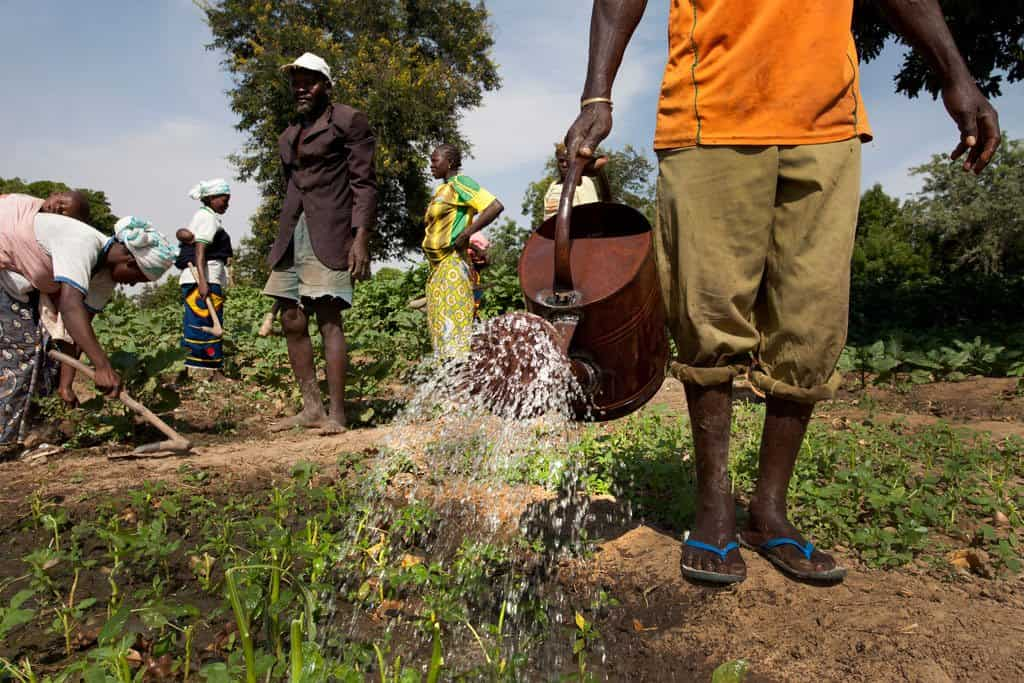
Uganda’s cooperative sector has emerged as a transformative engine of rural economic development, lifting millions from poverty through structured collective action. The sector comprises approximately 46,000 registered cooperatives […]

From Local Unity to National Growth: The Cooperative Spirit in Action
A small village cooperative in Kitagwenda District operates obscurely for nearly two decades, its members earning minimal income from rice seed production and basic maize milling for household […]
Training Tomorrow’s Leaders: The Role of Cooperative Education
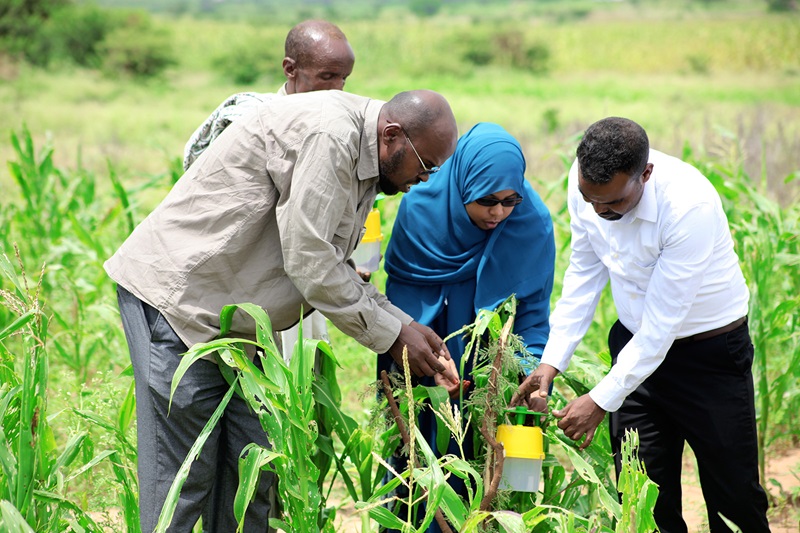
Uganda’s cooperative movement stands at an educational crossroads. With approximately 46,000 registered cooperatives operating across the country, each requiring trained leadership, financial management expertise, and member education—yet only two institutions offering […]

What the New Cooperative Policy Means for Uganda’s Future
Uganda stands at a transformative moment in its cooperative sector’s history. After decades of decline marked by governance failures, financial mismanagement, and institutional collapse, the government has launched […]
Women at the Heart of Cooperative Growth
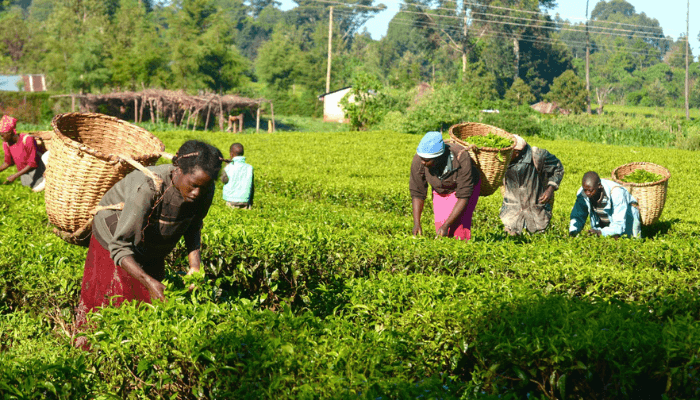
Uganda’s agricultural sector belongs fundamentally to women. Women comprise 77% of Uganda’s agricultural workforce, yet constitute less than 35% of cooperative membership and occupy only 1 in 5 leadership positions. […]